

Regulating Mobility Across Interconnected Assets
Commercial portfolios that integrate retail, office and hospitality functions experience layered vehicle density across shared access points. Peak arrival periods, delivery schedules and event driven traffic surges often overlap within confined entry corridors.
In such environments, informal traffic control practices are insufficient. Coordinated mobility systems must regulate vehicle intake, preserve access control and maintain continuity across interconnected assets.
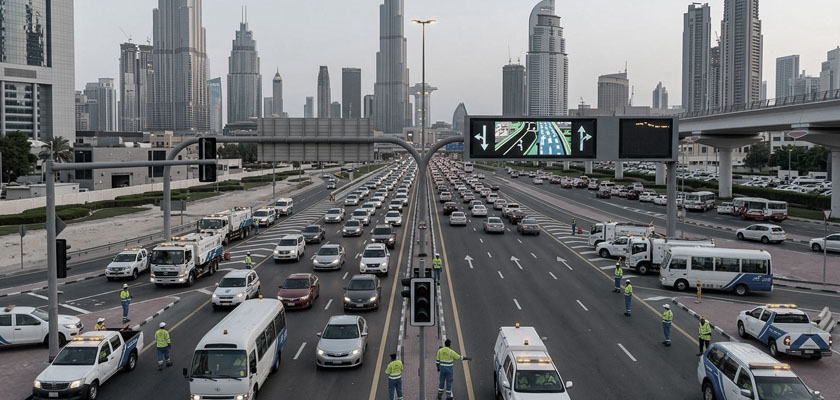
Identifying Congestion Points
Initial assessment of the portfolio revealed recurring congestion at shared entry gates and inconsistent drop off patterns affecting tenant access.
Operational risk factors included:
These factors required a structured approach to prevent disruption and maintain tenant flow.
Implementing Structured Flow Regulation
A regulated vehicle flow system was implemented across the portfolio. The deployment included:
Lane allocation was adjusted dynamically during peak periods to absorb volume spikes without compromising emergency access corridors.

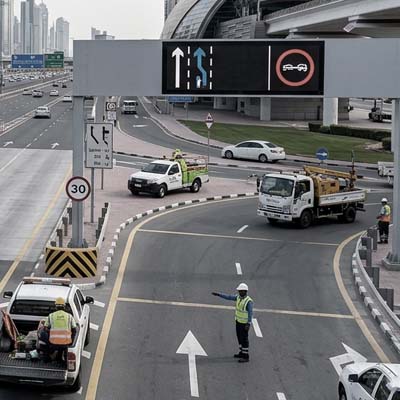
Supervising Execution Across Assets
On ground supervision ensured consistent application of intake procedures and access regulation standards across all zones. Structured reporting protocols provided asset management with visibility into vehicle density patterns and operational adjustments.
This oversight reduced congestion variability and improved coordination between mobility operators and asset stakeholders.
Sustaining Operational Continuity
Following implementation, peak hour congestion stabilized and access flow improved across the interconnected portfolio. The structured mobility system preserved tenant continuity while maintaining regulated vehicle interface with the public.
Case environments such as this demonstrate the importance of embedding structured mobility systems within asset governance frameworks rather than relying on reactive traffic control measures.