
Risk Is Embedded Within High Density Mobility
Mobility operations within regulated and high traffic environments introduce operational risk. Vehicle density, public interface and controlled access zones create exposure points that must be actively managed.
Without structured systems, congestion, inconsistent vehicle handling and unregulated access can compromise safety, disrupt operations and increase liability.
Risk alignment in mobility operations requires defined supervision, structured reporting and insurance coverage aligned with operational scope.
Identifying Risk Exposure in Transport Systems
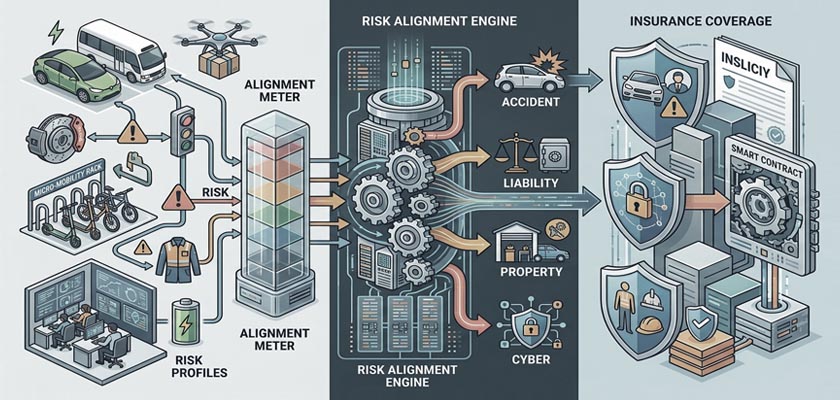
Common risk factors in high density environments include:
These exposures intensify in commercial portfolios, aviation environments and public venues where vehicle density fluctuates throughout the day.
Mobility systems must be structured to reduce these vulnerabilities.
Aligning Supervision with Risk Mitigation
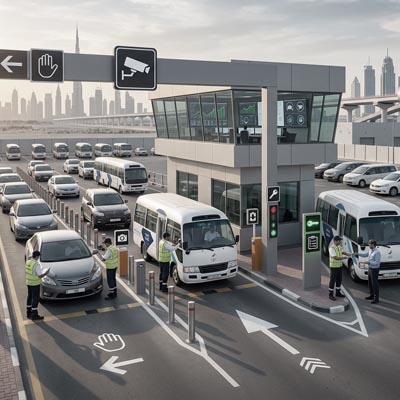
Structured supervision models mitigate operational risk by introducing defined oversight at critical control points.
Effective risk aligned systems include:
Oversight reduces variability and ensures that the vehicle interface remains controlled within regulated environments.

Insurance as an Operational Safeguard
Insurance coverage in mobility operations functions as a risk safeguard aligned with operational deployment. Defined coverage limits and policy alignment ensure that mobility systems operate within insured parameters.
When transport operations are structured around supervision, documentation and insurance alignment, accountability becomes embedded within the system rather than dependent on individual discretion.
Accountability as a Governance Requirement
Institutional environments operate under governance standards that require traceability and operational transparency. Mobility systems must support these requirements through structured documentation, supervision and reporting.
Risk alignment is achieved when mobility operations are:
This approach elevates transport operations from reactive services to accountable systems embedded within asset governance structures.
Structuring Mobility with Risk in Mind
As asset environments increase in complexity, mobility systems must integrate supervision, reporting and insurance alignment into their core design.
Organizations operating within regulated and high density environments benefit from structured mobility systems that mitigate risk while preserving operational continuity.