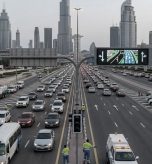

Regulating Vehicle Flow Within Multi Asset Environments
Mixed use commercial developments integrate retail, office, hospitality and residential functions within a single asset environment. This concentration of activity creates layered mobility demands, with tenants, visitors, service providers and delivery vehicles competing for limited access points.
Without structured vehicle regulation systems, congestion escalates quickly, affecting tenant operations, customer experience and asset performance.
Mobility within mixed use environments must be designed as a coordinated system rather than a standalone service.
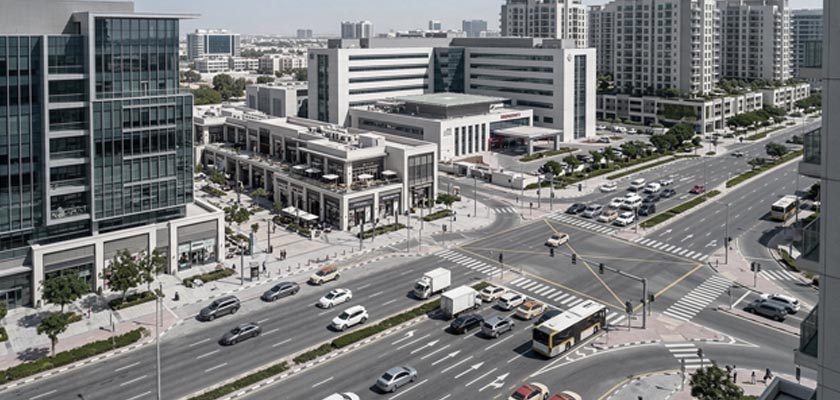
Understanding Access and Density Challenges
Commercial portfolios often experience fluctuating vehicle density across the day. Morning tenant arrivals, mid day retail traffic, delivery schedules and evening event activity create overlapping peak periods.
Common mobility challenges include:
These challenges require structured planning and supervised execution to maintain order.
Integrating Mobility Systems with Asset Governance
Effective mobility in commercial environments aligns with asset governance frameworks. Vehicle flow must be coordinated with tenant schedules, security protocols and operational reporting standards.
Structured mobility systems typically include:
Integration with asset governance ensures that mobility operations support broader commercial objectives rather than operate independently.
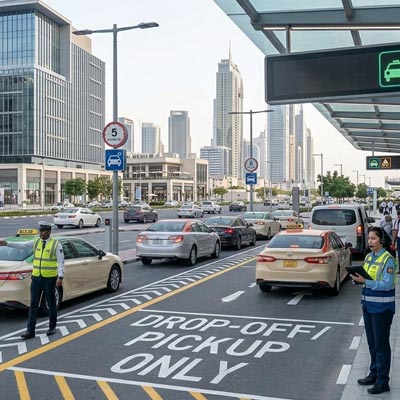

Managing Peak Density and Event Activity
Mixed use developments frequently host promotional events, seasonal campaigns and tenant driven activations that increase vehicle density beyond daily norms.
Adaptive mobility systems must account for:
Structured oversight allows the environment to absorb temporary surges without compromising safety or operational continuity.
Accountability and Supervised Execution
Supervision is essential in high density commercial environments. Defined oversight models reduce operational variability and ensure that vehicle interface remains controlled across all access layers.
Supervised mobility operations support:
This level of discipline differentiates structured mobility systems from informal traffic control practices.
Structuring Mobility Within Commercial Assets
Mixed use environments demand coordinated vehicle regulation systems embedded within asset operations. Mobility planning must align with tenant needs, regulatory standards and peak density conditions to maintain long term asset performance.
Organizations managing commercial portfolios benefit from structured mobility systems designed to regulate vehicle flow, preserve access control and maintain supervised execution across complex environments.